Your vision is precious, so it’s important to take care of your eyes to keep them healthy. If things are looking a little blurry, or you’re straining your eyes to focus, it’s time to book an eye test at Boots Opticians. It might be something as simple to correct as long or short-sightedness.
Long and short-sightedness are two very common eye conditions. They can be tricky to tell apart as they share some of the same symptoms, so we’ve broken it down to make it easy to understand the difference between the two.
Long-sightedness
What is long-sightedness?
Long-sightedness (or hyperopia) is the opposite of short-sightedness as it affects the ability to see objects up close. Those with long-sightedness may be able to see objects further away clearly, but objects nearby may appear out of focus. The condition can affect anyone of any age, but usually causes more symptoms in adults over 40.
What are the symptoms of long-sightedness?
Signs and symptoms may include:
-
Nearby objects seem fuzzy and out of focus, but distant objects are clear
-
Tired and strained eyes after things like reading or using a computer
-
Headaches
-
Squinting
Children who are long-sighted may not have any noticeable problems with their vision at first. But if long-sightedness is left untreated, it could lead to problems such as a squint or lazy eye. Babies usually have their first eye check within 72 hours of birth. Further eye checks may be made between six and eight weeks old, between one to two years old and between four to five years old. It's recommended that children have their eyes tested at least every two years. NHS eye tests are free for all children under 16 years old and those under 19 years old who are in full-time education.
What causes long-sightedness?
In a similar way to short-sightedness, long-sightedness happens when the eye doesn’t focus light properly on the retina. This could be for a number of different reasons including:
-
The eyeball is too short
-
The cornea is too flat
-
The lens in the eye is unable to focus properly
-
Genetics
Short-sightedness
What is short-sightedness?
Short-sightedness (myopia), causes objects in the distance to appear blurred, while objects close by can be seen clearly. You may be short-sighted if you have blurred vision when you’re driving or watching TV, but you can see well when reading a book. It's thought to affect up to one in three people in the UK and is becoming more common.
Typically, myopia starts during childhood (anywhere between ages six to 13), but it can develop in adults too. Learn more about childhood myopia here.
What are the symptoms of short-sightedness?
Signs and symptoms may include:
-
Things far away look fuzzy and out of focus, but close objects are clear
-
Tired and strained eyes after things like driving or watching TV
-
Headaches
-
Squinting
What causes short-sightedness?
Short-sightedness usually happens because the eyes grow slightly too long. This means light doesn't focus properly on the light-sensitive tissue (retina) at the back of the eye. Light instead focuses just in front of the retina, which causes objects in the distance to appear blurry. Short-sightedness can also be caused by the transparent layer at the front of the eye (cornea) being too curved.
How are long and short-sightedness diagnosed?
During your eye test, your optician will thoroughly test your eyesight at both near and far distances. They will also check how your eyes change focus between near and far distances. If you’re experiencing any symptoms, both conditions can be diagnosed by booking an eye test at your local Boots Opticians. Find out what happens during an eye test here.
What are the treatment options for long and short-sightedness?
If you’ve been diagnosed with one of the conditions during your eye test, both long and short-sightedness can be corrected with glasses or contact lenses. The lenses help to correct long and short sightedness by adjusting how light focuses on the retina.
After your eye test, we’ll chat through the best options for your vision and explain any recommendations, like glasses or contact lenses, so you know what’s right for you.
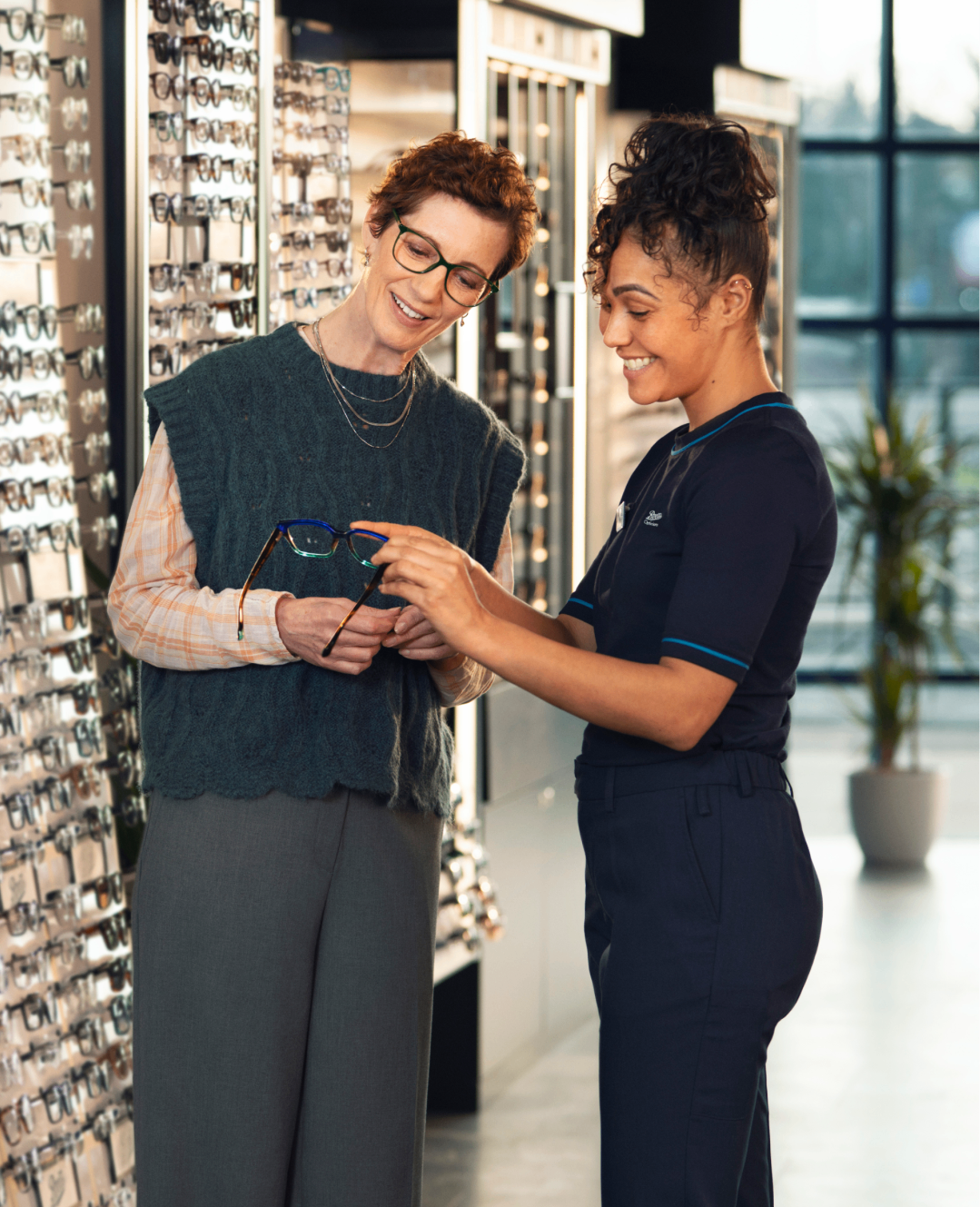
If you need glasses, we’ll help you find lenses and frames that fit your look, face shape, and lifestyle.
Laser eye surgery is also an option you may want to consider to help with short or long-sightedness. Although this isn’t a procedure we offer, you can find out more about laser eye surgery and what happens during the procedure here.
Related articles