Did you know your eyes are the most developed of all your senses? We take in up to 80% of what we learn about the world through them, which is why keeping our eyes healthy is so important.
Why eye tests are important for your eye health?
Your eyes should be tested at least every two years, though some people may need sight tests more often, if you do your optician can advise you on this. In addition to testing your vision, eye tests incorporate various health checks too. An optician can spot early signs of many eye conditions such as glaucoma and macular degeneration, even before you're aware of any symptoms. Often these conditions can be easily treated if detected early. An eye test can also pick up early signs of general health problems such as high cholesterol, diabetes and hypertension.
Your optician will normally ask you about your family health history. This is so they can be on the look-out for early signs and advise you on preventative steps to help reduce your risk of any hereditary eye conditions.
Can your diet help keep your eyes healthy?
Just like the rest of the body, your eyes benefit from a healthy balanced diet.
Vitamin A is beneficial for maintaining normal vision and helps ensure eyes don’t become dry. You can find it in:
-
Eggs
-
Cheese
-
Milk
-
Yoghurt
-
Liver
-
Yellow and red vegetables
-
Yellow fruits like mangoes and apricots
Zinc protects our cells from oxidative stress and helps to maintain vision. You can find it in red meat, shellfish, cheese and certain cereals containing wheat germ.
Omega 3 DHA (Docosahexaenoic acid) is a type of omega 3 that’s beneficial in sustaining normal vision. A daily intake of 250mg of DHA is recommended to help and can be found in salmon, mackerel and seaweed.
Finally, there’s vitamin B2 (found in milk, eggs, fortified breakfast cereals and rice) which helps maintain normal vision.
UV (ultraviolet) damage
Eyes can be up to 10 times more sensitive to UV damage from the sun than your skin, so protecting yours and your children’s eyes is important. Even if you wear glasses, you should invest in a pair of sunglasses that help protect your eyes from UV rays. Look for shades that carry the CE mark or the British Standard BS EN ISO 12312-1:2013, which ensures that the sunglasses offer a safe level of UV protection. Wearing a wide-brimmed hat can also help to guard your eyes. Find out more about the importance of UV protection here.
Help to soothe dry and irritated eyes
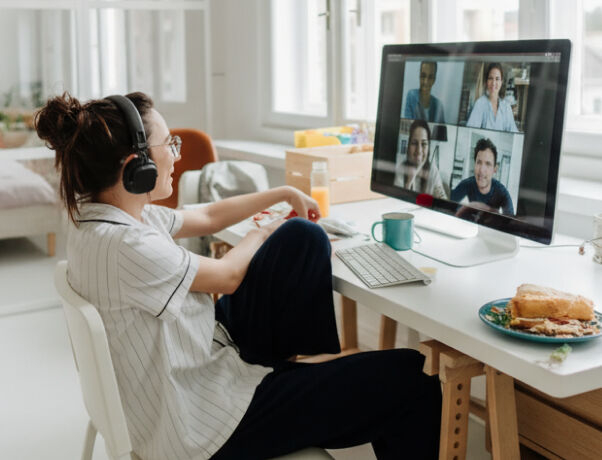
Air conditioning and regularly looking at screens can make your eyes irritated and dry, and sometimes lead to your eyelids becoming inflamed, so be sure to rest your eyes frequently. Try using eye drops to help soothe irritated and red eyes, eye sprays for when you’re on-the-go or eye gels which can give your eyes extra relief before bed. You may also find relief in these eyecare products if you are a keen gamer, spend lots of time using a smartphone or watching TV.
Vision changes with age and habits
Unfortunately our vision does change as we get older. For example, presbyopia (which is a difficulty in focusing on nearby objects) is caused by the lens in our eye becoming less flexible, and often starts to develop or accelerate after the age of 40.
However, by taking preventative action now you can reduce your risk of developing certain eye problems later in life:
-
Try to avoid smoking. Smokers are more likely to develop age-related macular degeneration (the deterioration of the macula, which is the central part of the retina that allows us to perceive fine details) and cataracts than non-smokers. Take a look at our stop smoking services to find out how you can make the change today.
-
Keep your alcohol intake within the recommended guidelines. This means sticking to 14 units of alcohol, or less, per week. Drinking heavily is another risk factor for age-related macular degeneration
But, you have plenty of options so you can still feel and look good
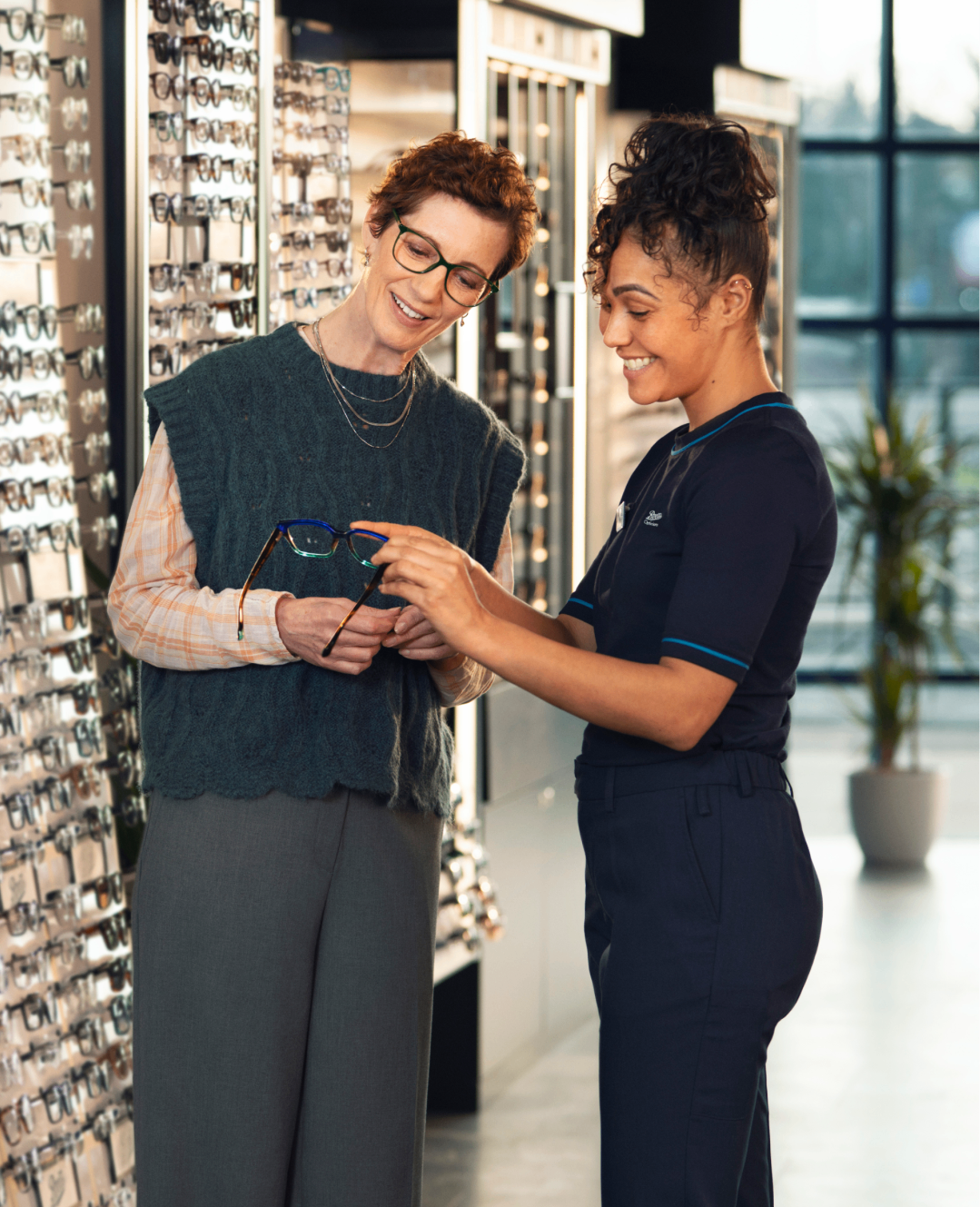
Glasses are usually the first choice when your vision needs a little help, as they give you clear sight straight away. Plus, they’re a fun way to show off your style, with so many colours and designs to pick from. Take a look at our range of prescription glasses to find the perfect pair for you. Find out more about our prescription glasses.
Contact lenses are a great option if you’d like a break from glasses, or if you just want the flexibility to swap between the two. There are plenty of choices - from daily and monthly lenses to reusable and extended wear. Your optician will make sure they’re a good fit for you, that you’re wearing the right type, and will give you handy tips on care and hygiene. Find out more about our contact lenses here.
Related articles