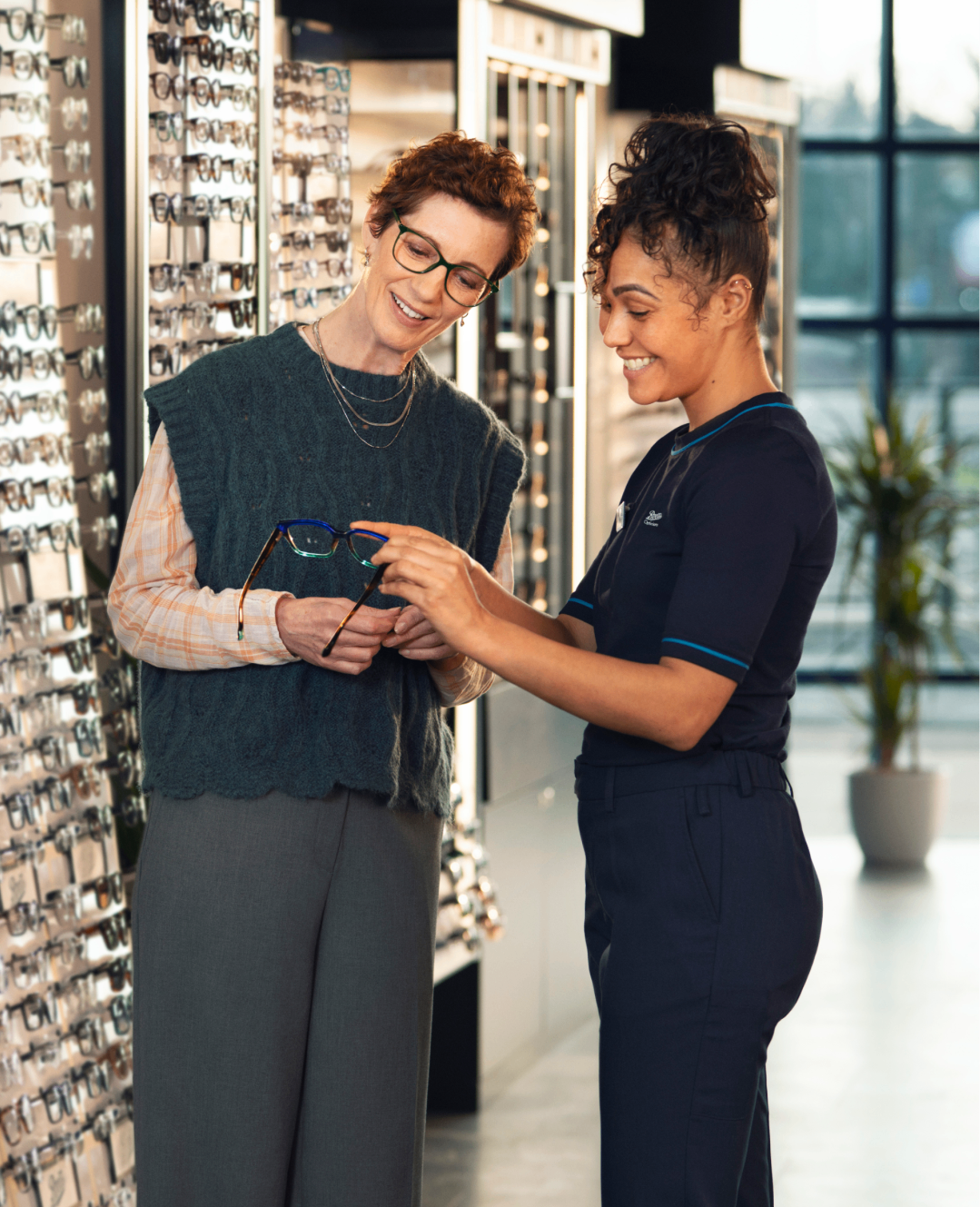
From the food we eat, to the clothes we wear and the beauty products we use, more and more people are thinking about the environment and making eco-friendly choices. Making sustainable choices with your eyewear is also a great opportunity to help you see clearly whilst doing your bit for the environment.
The environment and eyewear
While there’s questions over the eco-friendliness of glass (some claim glass is a sustainable, fully-recyclable material, while others argue the use of non-renewable natural materials & Co2 emissions are damaging), there are opportunities for the eyewear industry to do more when it comes to the use of plastics.
Used to craft frames, disposable contact lenses and single-use packaging, these plastics can later end up in landfill where they can take up to 500 years to decompose, as well as leak toxic pollutants into the ground in the meantime. If thrown down the drain, plastic lenses can break down into smaller particles to form microplastics that pollute the oceans.
Recently, the industry has already started to address this issue and have started to offer more eco-conscious alternatives and planet-friendly solutions to disposing of old eyewear.
How can I make sustainable choices
Firstly, investing in good quality, stylish frames that you enjoy wearing and make you feel good is a great step forward to minimising waste as you will be less inclined to throw them away or not wear them. Many brands now also produce frames made from recycled and recyclable materials and bio-based plastics which will also help reduce your plastic consumption.
You can also look for contact lens recycling schemes or brands that offer more eco-conscious solutions for their packaging.
Stylish, eco-conscious frames with Botaniq®
The Botaniq® eyewear range is designed with the planet in mind, combining style with sustainability. Each collection features on-trend colours and contemporary frame shapes, crafted from materials that are recycled, recyclable, or sourced from natural and sustainable origins—including wood, cork, bamboo, bio-based acetate, and 60% recycled stainless steel.
Once you’ve finished with your old frames, you can give them a second life by returning them to Botaniq®, who are working with TerraCycle® and their Zero Waste Box Scheme™ to recycle or reuse them. In addition, Botaniq® has partnered with One Tree Planted, planting a new tree for every frame sold, making each pair a step toward a greener future.

Sustainable brands
Luxury with Mulberry
Discover timeless sophistication with Mulberry eyewear, where luxury meets responsibility. Each piece is crafted with a commitment to reducing environmental impact—using innovative materials and significantly less energy and resources throughout the manufacturing process. Explore the collection that proves sustainability can be effortlessly stylish.
Sustainable frames from Ted Baker and Bailey + Mika
Embrace conscious fashion with eco-friendly frames from Ted Baker and Bailey + Mika range. These designs blend contemporary style with sustainable materials, offering the perfect balance of elegance, comfort, and care for the planet.
Recycle your contact lenses
This year, Boots Opticians have partnered with ACUVUE® and TerraCycle® Zero Waste Boxes™ to increase recycling capacity by 25%, which could mean around 2.5 million contact lenses recycled. Since January 2019, Boots Opticians have already collected and recycled an estimated 5.2 million contact lenses, blister packs, and foil covers through the ACUVUE® Contact Lens Recycling Programme, including more than 2.2 million contact lenses in 2021 alone, diverting 12 tons of waste from landfill. The Zero Waste Box™ provides a complete and convenient solution to store, ship, and recycle your used contact lenses, blister packs, and foil covers. Available in all Boots Opticians stores, it makes it easy for you to play your part in reducing environmental impact.
Choose plastic neutral contact lenses
Boots 1-day* and MiSight 1-day contact lenses are now certified plastic neutral by Plastic Bank.
Keeping plastics out of the ocean may be a particular concern if you’re a regular contact lens wearer. Credits are purchased equal to the weight of plastic used in our Boots 1-day* and MiSight® 1-day contact lenses, the blister pack and the outer carton** so an equal amount of plastic can be collected by Plastic Bank to help prevent it from reaching the ocean. They expect to direct 890,000 plastic bottles from Boots 1-day and MiSight contact lenses alone from reaching the ocean this year!
Reduced packaging waste
The Menicon Miru 1-day Flat Pack is a daily disposable hydrogel contact lens designed with both the wearer and the environment in mind. Its innovative packaging is made from 99% recycled plastics, is eight times thinner than a standard lens pack, and produces 80% less waste compared to conventional packaging. The ultra-slim, lightweight design also ensures greater hygiene — you only touch the outer surface of the lens, reducing the risk of contamination by up to three times.
Boots Opticians glasses case and lens cloth
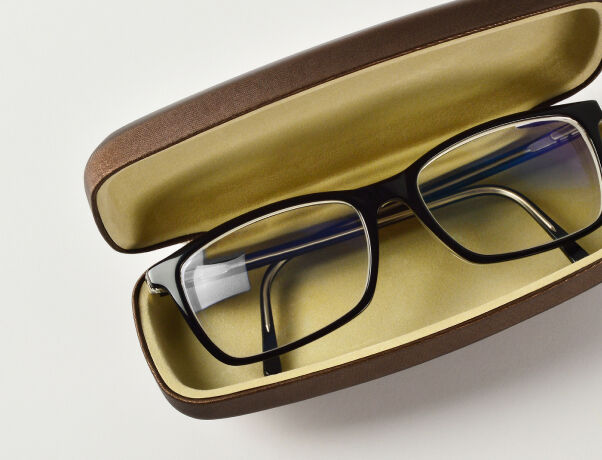
Made from 100% recycled material, the case is not only compact but is produced in three sizes and in flat form, meaning they occupy approximately 30% of the space of a standard clamshell case, for more efficient transportation and storage.
When you buy a pair of Boots brand frames, you'll also receive a slim-line case and lens cloth crafted from 100% recycled material, which has replaced the 20,000 square metres of polyester that was previously used. This helps us reduce carbon emissions thanks to more efficient transportation and storage.
Related articles


Terms and conditions
*Excludes Boots Protect Plus and Boots Protect products.
**Plastic neutrality is established by purchasing credits from Plastic Bank. A credit represents the collection and conversion of one kilogram of plastic that may reach or bedestined for waterways. CooperVision purchases credits equal to the weight of plastic in our-one day contact lens orders in a specified time period. One-day contact lensplastic is determined by the weight of plastic in the blister, the lens and the secondary (outer) package, including laminates, adhesives, and auxiliary inputs (e.g. ink).